The Threads That Bind: Archival Mending for Your Cherished Vintage Textiles
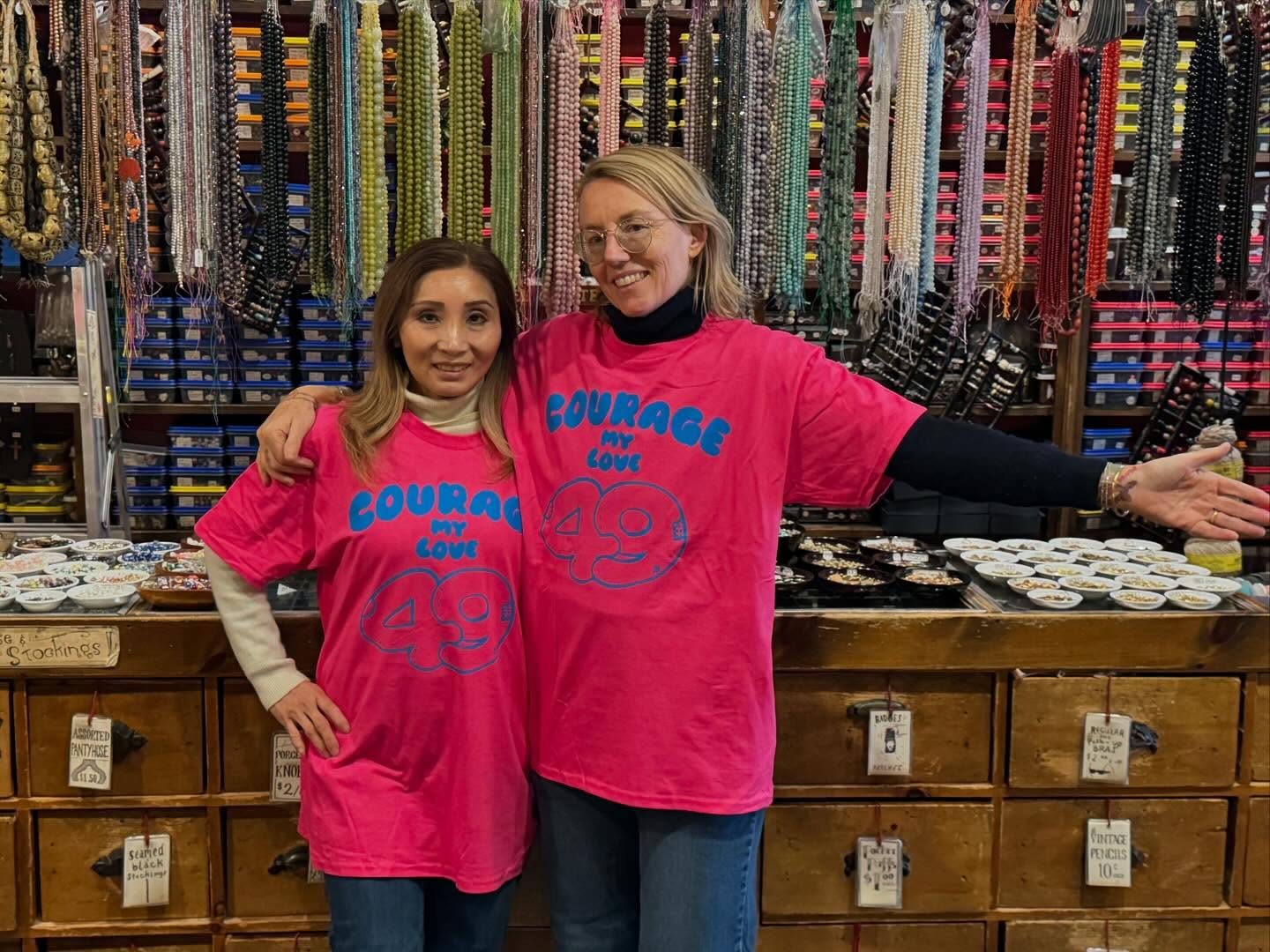
As the Vintage Archive Curator for Courage My Love, I have had the privilege of working with a wide range of vintage textiles, from delicate lace to sturdy denim. In this blog post, I will share some practical advice on mending and preserving these cherished items, drawing on my experience and knowledge of local Toronto resources.
When it comes to mending vintage textiles, it is essential to approach the task with care and sensitivity. These items are not only valuable but also fragile, and improper handling can cause irreparable damage. Before attempting any repairs, it is crucial to assess the condition of the textile and determine the best course of action.
For delicate or intricate repairs, I recommend seeking the expertise of a professional conservator or restorer. In Toronto, there are several reputable workshops and dry cleaners that specialize in heritage garments, such as the Toronto Conservation Institute and the Textile Conservatory.
For more straightforward repairs, such as reattaching a loose button or reinforcing a torn seam, you can try your hand at DIY mending. However, it is essential to use the right materials and techniques to ensure that your repairs are durable and do not compromise the integrity of the textile.
One of the most critical factors in mending vintage textiles is the choice of thread. It is essential to select a thread that matches the original as closely as possible, both in terms of color and texture. You can find a wide range of vintage threads at specialty stores or online, or you can try to match the thread by eye.
In addition to thread, you will also need a few basic tools, such as a needle, scissors, and a thimble. It is also a good idea to have a magnifying glass or lamp on hand to help you see the intricate details of the textile.
Once you have gathered your materials, you can begin the mending process. Start by carefully examining the textile to identify the areas that need repair. Then, using your needle and thread, begin to weave in and out of the fabric, following the original stitching pattern as closely as possible.
As you work, be sure to handle the textile gently and avoid pulling or stretching the fabric. It is also essential to keep your workspace clean and dust-free to prevent damage to the textile.
Finally, once you have completed your repairs, it is essential to store your vintage textile properly to prevent further damage. This may involve folding or rolling the item, placing it in a protective bag or box, and storing it in a cool, dry place.
By following these tips and techniques, you can help to preserve your cherished vintage textiles for generations to come. Whether you are a seasoned collector or simply a lover of vintage fashion, the art of mending and preserving these beautiful items is a rewarding and meaningful pursuit.