Delicate Threads, Enduring Stories: A History of Lace in Toronto Fashion
Delicate Threads, Enduring Stories: A History of Lace in Toronto Fashion
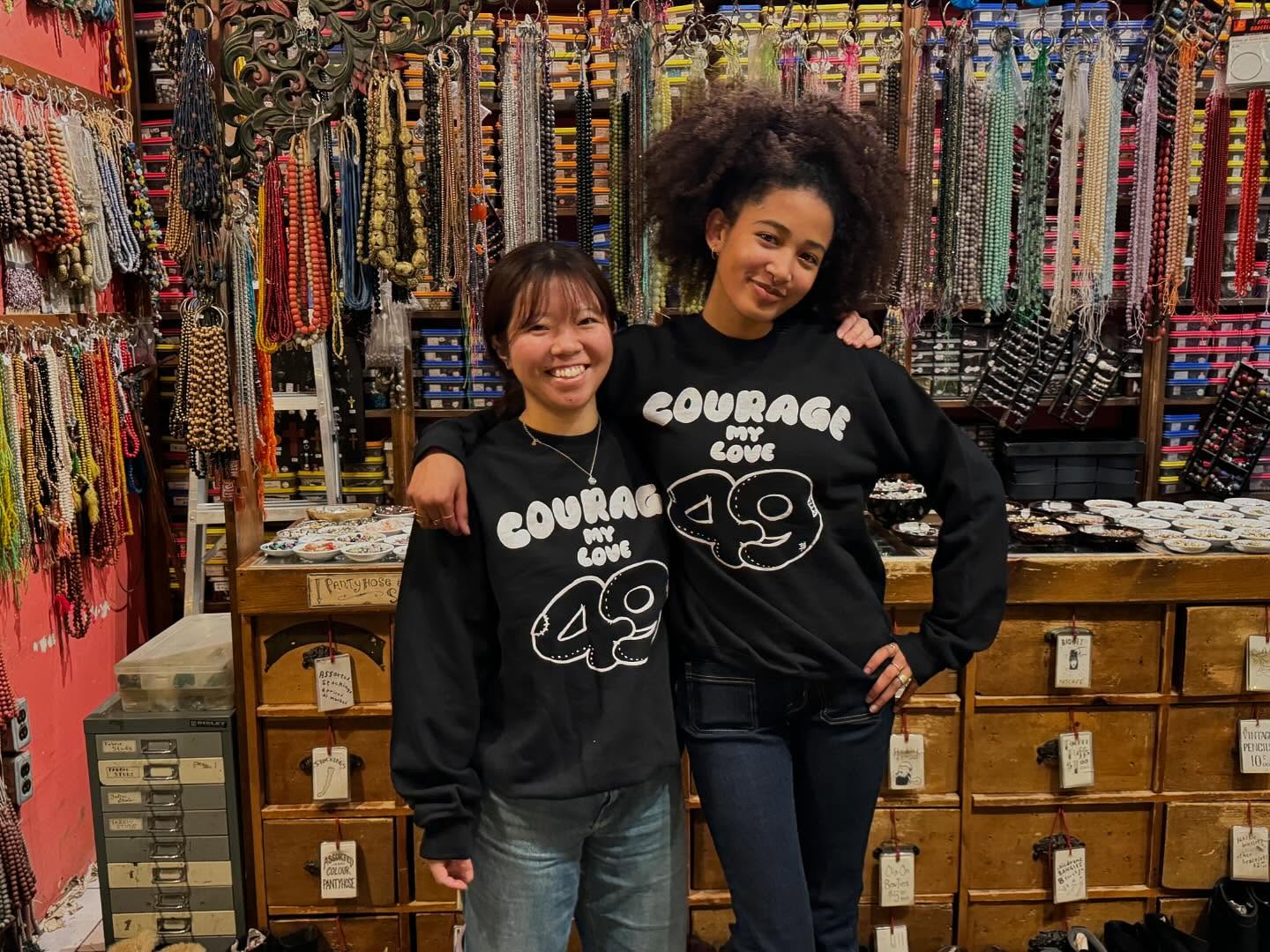
In the heart of Kensington Market, Toronto, lies a rich tapestry of cultural and historical significance, woven with the delicate threads of lace. This intricate and beautiful fabric has been a cornerstone of Toronto fashion for centuries, evolving from the opulent Victorian gowns to the modern, avant-garde interpretations of today. As the Vintage Archive Curator for Courage My Love, I am delighted to take you on a journey through the history of lace in Toronto fashion, exploring its presence in historical garments found in local collections and shops.
The Victorian Era: A Golden Age of Lace
The Victorian era, spanning from the late 1830s to the early 1900s, was a golden age for lace in Toronto fashion. During this period, lace was a symbol of wealth and status, adorning the intricate details of wedding veils, christening gowns, and evening wear. The city's affluent elite would often commission bespoke lace pieces from skilled artisans, who would painstakingly craft each thread by hand. These exquisite creations were not only a testament to the artisan's skill but also a reflection of the wearer's social standing.
The Early 20th Century: A Shift in Lace Production
The early 20th century marked a significant shift in lace production, with the introduction of machine-made lace. This innovation made lace more accessible and affordable for the masses, paving the way for its incorporation into everyday fashion. Toronto's garment industry flourished during this period, with local manufacturers producing lace-trimmed clothing and accessories for the domestic market. The city's fashion scene was abuzz with the latest trends from Europe, and lace was an integral part of this stylish landscape.
Modern Interpretations: Lace in Contemporary Toronto Fashion
Fast-forward to the present day, and lace continues to play a vital role in Toronto fashion. Modern designers are reinterpreting traditional lace-making techniques, incorporating innovative materials and technologies to create stunning, one-of-a-kind pieces. From delicate, beaded lace trim to bold, 3D-printed lace motifs, the possibilities are endless. Toronto's fashion community is thriving, with local designers showcasing their lace-adorned creations on runways, in boutiques, and online platforms.
Preserving the Past: Historical Garments in Local Collections
Kensington Market is home to a plethora of vintage shops, each boasting an impressive collection of historical garments. These treasured pieces offer a glimpse into the past, showcasing the evolution of lace in Toronto fashion. From antique wedding veils to vintage lace-trimmed flapper dresses, each garment tells a story of love, craftsmanship, and cultural heritage. As the Vintage Archive Curator for Courage My Love, I am committed to preserving these delicate threads, ensuring that the history of lace in Toronto fashion remains an integral part of our cultural narrative.
Conclusion
In conclusion, the history of lace in Toronto fashion is a rich and complex tapestry, woven with the delicate threads of cultural heritage, craftsmanship, and innovation. From the opulent Victorian gowns to the modern, avant-garde interpretations of today, lace continues to play a vital role in our city's fashion scene. As we move forward, it is essential that we preserve the past, honoring the artisans, designers, and wearers who have contributed to the enduring story of lace in Toronto fashion.